
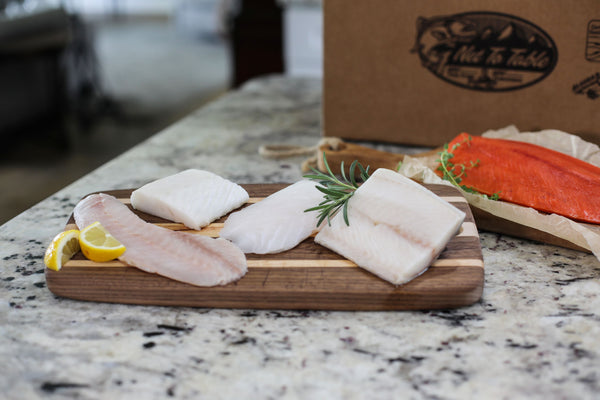
Sustainable seafood choices have become increasingly vital in today’s environmentally conscious world. Alaska, known for its pristine waters and abundant marine life, offers a plethora of seafood options that are both delicious and sustainably sourced. This guide delves into the top sustainable Alaska wild seafood options, providing insights into their environmental impact, nutritional benefits, and the best practices for selecting and preparing these products.
The Importance of Sustainable Seafood
Sustainable seafood practices ensure that fish populations remain healthy and that the ecosystems that support them are protected. In Alaska, stringent regulations and well-managed fisheries contribute significantly to the sustainability of seafood. Choosing sustainably sourced seafood helps:
- Preserve marine ecosystems and biodiversity.
- Support local fishing communities and economies.
- Reduce the carbon footprint associated with overfishing and habitat destruction.
For those interested in sustainable options, it’s essential to discover expert strategies here.
Top Sustainable Alaska Wild Seafood Options
Salmon
Alaska’s salmon is renowned for its rich flavor and high omega-3 fatty acid content. Sustainable salmon species include:
- Chinook (King) Salmon
- Coho (Silver) Salmon
- Sockeye (Red) Salmon
To make informed decisions about salmon choices, explore advanced guides and tips.
Halibut
Alaskan halibut is a firm, white fish with a delicate flavor, perfect for grilling or baking. It is sustainably managed, ensuring long-term availability. Halibut fishing in Alaska is regulated through:
- Catch limits and quotas
- Seasonal fishing to minimize ecosystem impact
Learn about our tailored solutions for sustainable halibut selection by visiting this link.
Crab
Alaska is famous for its king crab, snow crab, and Dungeness crab. These species are harvested under strict regulations, ensuring their populations remain robust. Key considerations for sustainable crab consumption include:
- Understanding certification labels
- Purchasing from verified sustainable sources
For more insights into sustainable crab options, find out more about this approach.
Best Practices for Purchasing and Preparing Sustainable Seafood
Making informed choices about seafood involves understanding labels and certifications, such as the Marine Stewardship Council (MSC) label. When purchasing:
- Look for certifications that indicate sustainable practices.
- Buy from reputable sources known for their commitment to sustainability.
- Opt for seasonal and locally available species.
In terms of preparation, sustainable seafood can be enjoyed in a variety of ways, ensuring minimal waste and maximum flavor. Resources are available to learn about our tailored solutions in cooking and preparation.
Conclusion
Choosing sustainable Alaska wild seafood is not only an environmentally responsible decision but also a way to enjoy some of the best seafood available. By understanding the options and best practices outlined in this guide, consumers can make informed and impactful choices. For those seeking a diverse selection of sustainable seafood, explore advanced guides and tips to enhance their culinary experiences.
