
Fire damage can be devastating, leaving property owners overwhelmed with the aftermath. The restoration process is not just about repairing the visible damage but also involves addressing several hidden issues that could compromise the safety and integrity of the structure. This article explores effective fire damage restoration solutions that ensure thorough recovery and safe reoccupation.
Understanding the Impacts of Fire Damage
Fire damage extends beyond burnt materials. It includes smoke damage, soot residue, and potential water damage from firefighting efforts. The consequences of fire damage are multifaceted, and understanding these impacts is crucial for effective restoration.
- Structural Damage: High temperatures can weaken and warp structural components, necessitating careful inspection and repair.
- Smoke and Soot Residue: Smoke can infiltrate walls, carpets, and other materials, leaving harmful residues that require comprehensive cleaning.
- Water Damage: Efforts to extinguish the fire often lead to water damage, which must be addressed to prevent mold growth.
Essential Steps in Fire Damage Restoration
Initial Assessment and Safety Measures
The first step in restoration is a thorough assessment of the damage. Professionals evaluate the extent of structural and aesthetic damage, identifying areas that require immediate attention. Safety measures are prioritized to prevent accidents during the restoration process. Read more about this topic.
Water Removal and Drying
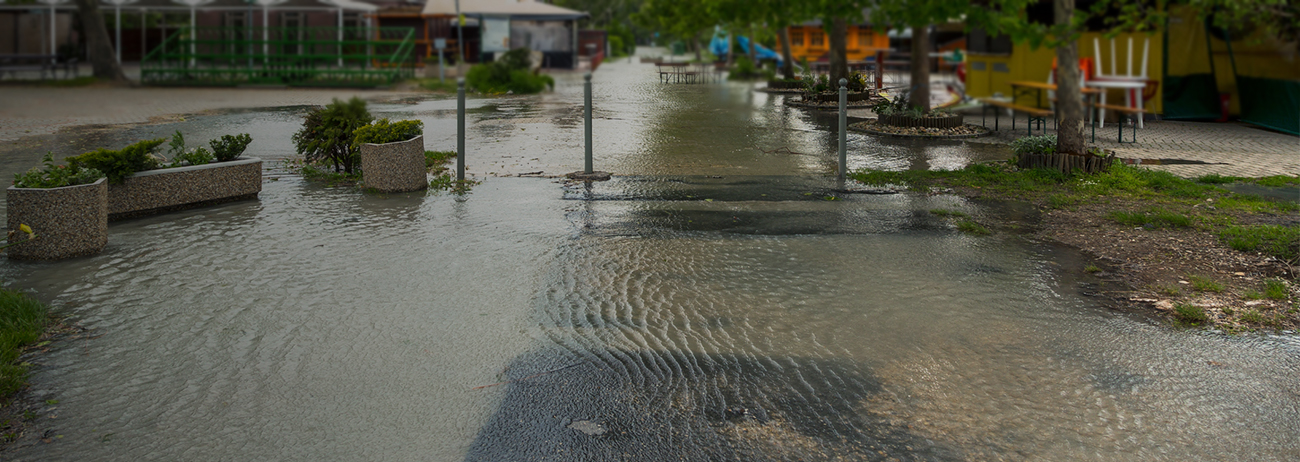
Standing water from firefighting efforts is removed using industrial-grade pumps and vacuums. Dehumidifiers and air movers are employed to dry out the affected areas completely, ensuring no moisture remains that could lead to mold growth. Learn more in this detailed guide.
Smoke and Soot Cleanup
Specialized equipment and cleaning agents are used to remove smoke odor and soot residue from surfaces. This step is crucial as lingering smoke particles can cause health issues and further property damage. Explore further insights here.
Structural Repair and Restoration
Once cleaning is complete, the focus shifts to repairing and restoring the damaged structure. This may involve replacing drywall, painting, and reconstructing damaged areas to restore the property to its pre-fire condition.
Advanced Techniques in Fire Damage Restoration
Thermal Fogging
Thermal fogging is an advanced technique used to neutralize smoke odors. It involves releasing a deodorizing fog that penetrates deeply into walls and crevices, effectively eliminating persistent odors. Find additional information here.
Ozone Treatment
Ozone generators are employed to break down and remove smoke odor molecules. This treatment is particularly effective in eliminating odors that have permeated deep into fabrics and porous materials.
Preventative Measures and Future Preparedness
Once restoration is complete, implementing preventative measures is essential to mitigate future risks. Installing fire alarms, regular maintenance of electrical systems, and keeping flammable materials in safe conditions can significantly reduce the chances of another fire incident.
Fire damage restoration is a complex process that requires expertise and precision. Understanding the steps involved and employing advanced techniques ensures that properties are not only restored but also safeguarded against future incidents. For more comprehensive insights into fire damage restoration, visit the detailed resources on this website.
