
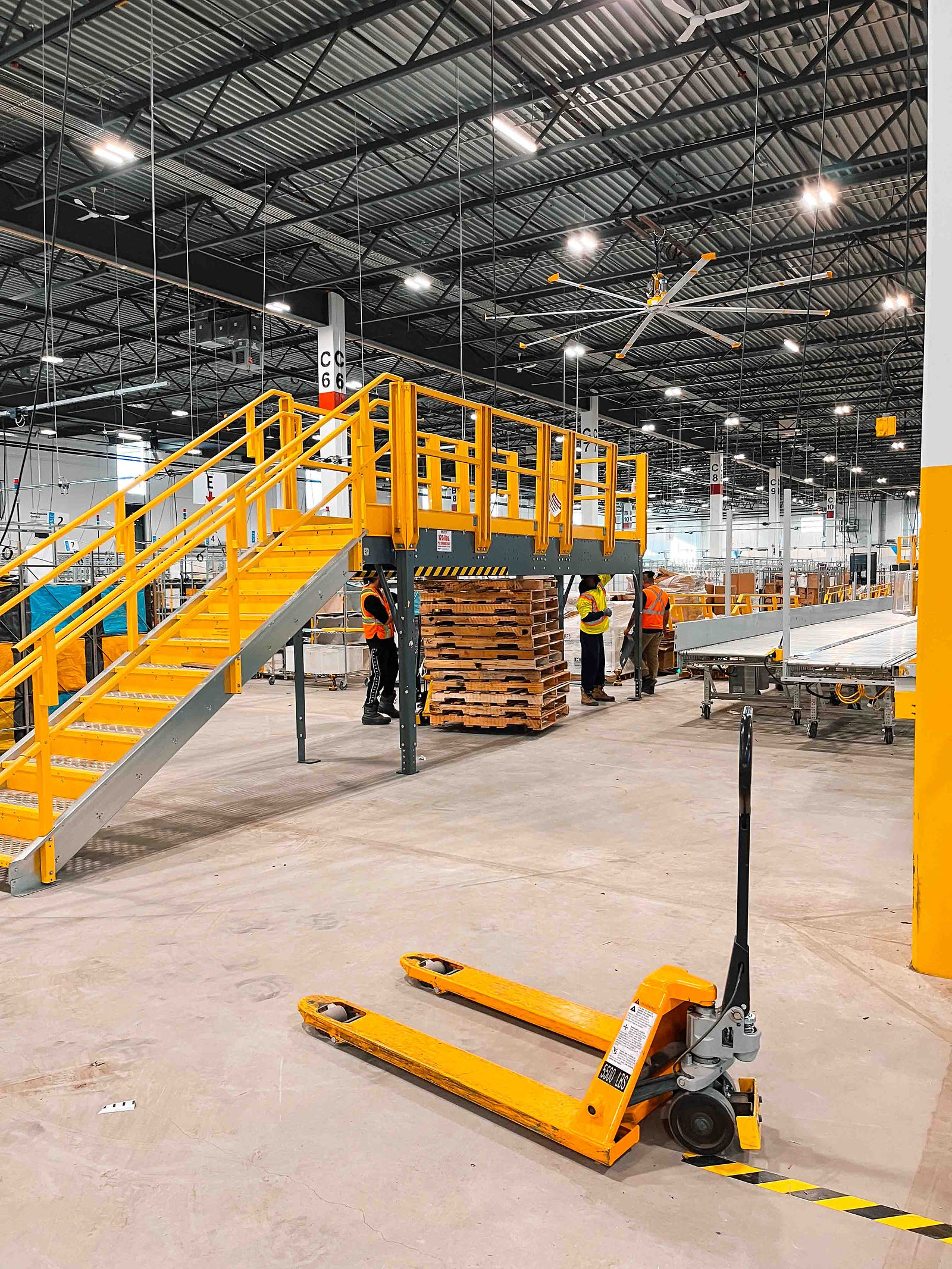
In today’s fast-paced industrial landscape, ensuring the longevity and optimal performance of complex systems and equipment is crucial. Lifecycle maintenance, a comprehensive approach to equipment management, addresses this need by focusing on the entire lifespan of assets, from acquisition to decommissioning. By implementing a structured lifecycle maintenance plan, organizations can minimize downtime, reduce costs, and enhance efficiency. This article delves into the various components of lifecycle maintenance and how it contributes to sustainable operational success.
Understanding Lifecycle Maintenance
Lifecycle maintenance is a proactive strategy that involves systematic inspection, servicing, and refurbishment of equipment at different stages of its life. It emphasizes the importance of:
- Regular preventive maintenance to avert unexpected failures.
- Predictive analytics to forecast potential issues before they arise.
- Timely upgrades and modernization to incorporate technological advancements.
By understanding these components, organizations can tailor their maintenance practices to suit specific operational needs. Discover expert strategies here.
Key Benefits of Lifecycle Maintenance
Implementing a lifecycle maintenance approach offers numerous advantages, including:
- Extended Equipment Life: Regular maintenance activities help preserve the functionality and efficiency of equipment, extending its lifespan.
- Cost Efficiency: Proactive maintenance reduces the likelihood of costly emergency repairs and replacements.
- Enhanced Safety: Well-maintained equipment operates safely, reducing the risk of accidents and ensuring compliance with safety regulations.
Organizations seeking to optimize their operations can learn about our tailored solutions for effective lifecycle maintenance.
Implementing an Effective Maintenance Plan
To maximize the benefits of lifecycle maintenance, a structured plan must be developed and consistently followed. Key steps include:
- Assessment and Planning: Conduct a thorough evaluation of all equipment to identify maintenance needs and prioritize tasks.
- Schedule Development: Establish a detailed maintenance schedule that aligns with operational demands and manufacturer recommendations.
- Resource Allocation: Ensure that sufficient resources, including trained personnel and necessary tools, are available to execute the plan effectively.
For organizations looking to implement these strategies, explore advanced guides and tips for a comprehensive understanding.
Challenges in Lifecycle Maintenance
While lifecycle maintenance offers significant benefits, it also presents challenges that must be addressed:
- Initial Costs: The upfront investment in maintenance infrastructure and training can be substantial.
- Data Management: Accumulating and analyzing data from various equipment can be complex and requires robust systems.
- Change Management: Transitioning to a lifecycle maintenance approach requires cultural and procedural changes within the organization.
To navigate these challenges effectively, organizations can find out more about this approach to ensure successful implementation.
Conclusion
Lifecycle maintenance is an indispensable strategy for organizations aiming to enhance the performance and longevity of their equipment. By focusing on proactive maintenance, predictive analytics, and timely upgrades, businesses can achieve significant cost savings, operational efficiency, and safety improvements. Embracing a lifecycle approach not only ensures sustainable performance but also positions companies for future growth and technological advancement. For further insights, explore advanced guides and tips on implementing lifecycle maintenance effectively.
