
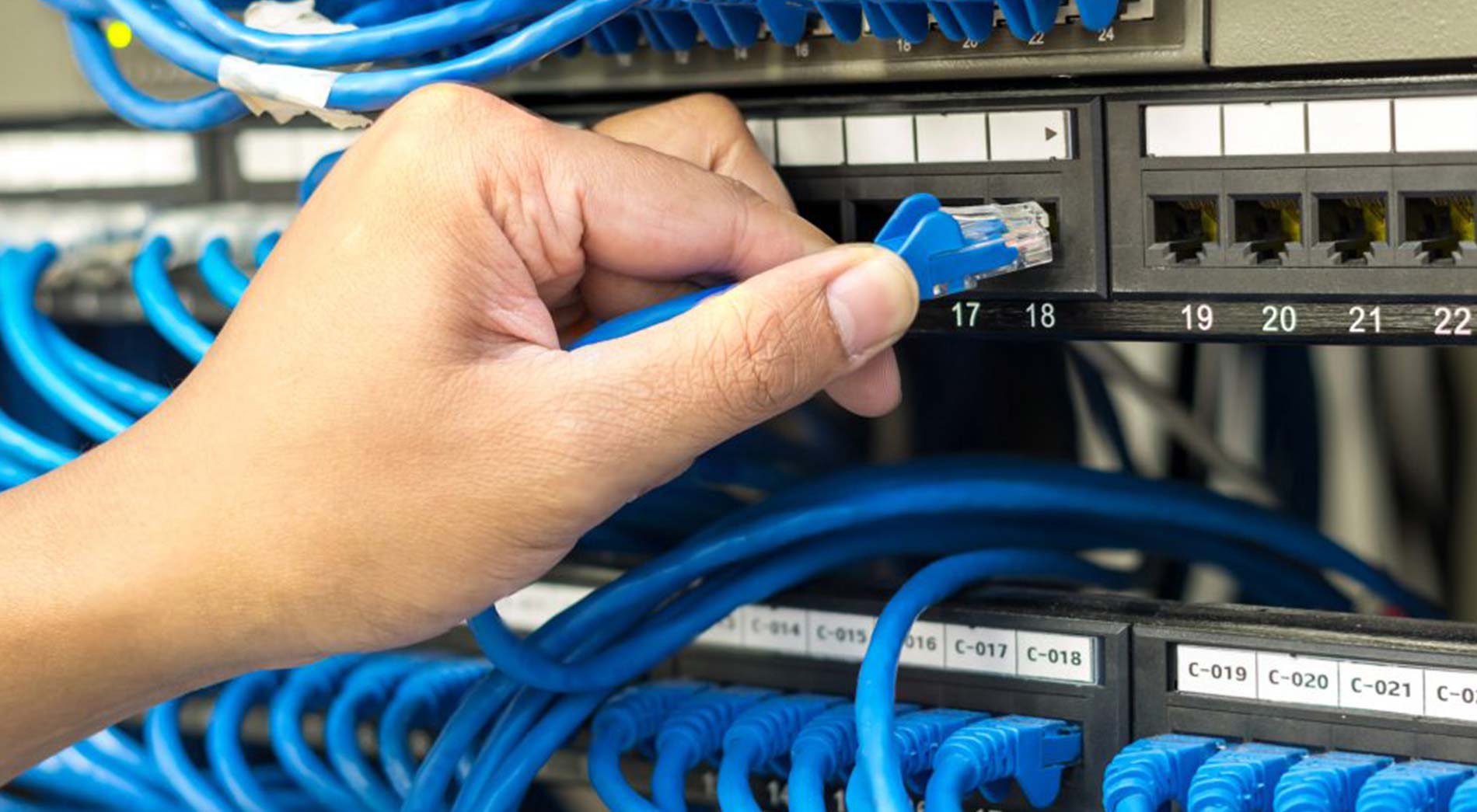
The cabling installation process is a critical component of building efficient network systems. As technology continues to advance, the demand for robust and reliable cabling infrastructure grows. Whether upgrading existing systems or implementing new installations, streamlining the cabling process can save time, reduce costs, and improve overall efficiency. This article explores key strategies to optimize cabling installations, ensuring they meet current and future networking requirements.
Understanding the Basics of Cabling
Before diving into the optimization of cabling installations, it is essential to understand the basics. Cabling involves the installation of cables that support data transmission and communication in various environments, including offices, data centers, and industrial settings. The process requires careful planning and execution to ensure seamless connectivity and performance.
Types of Cabling
- Structured Cabling: A standardized approach to cabling infrastructure that supports various hardware uses.
- Fiber Optic Cabling: Employs light to transmit data, offering high-speed and long-distance transmission capabilities.
- Coaxial Cabling: Commonly used for cable television systems, internet connections, and other applications.
For a more comprehensive understanding of cabling types and their applications, read more about this topic.
Streamlining the Installation Process
Optimizing the cabling installation process involves several steps, each requiring attention to detail and adherence to best practices. Below are key strategies to streamline the process effectively.
Planning and Design
- Site Assessment: Conduct a thorough site assessment to understand the specific requirements and challenges.
- Network Design: Develop a detailed network design that outlines the cabling layout, including pathways and connections.
- Documentation: Maintain comprehensive documentation to facilitate future upgrades and troubleshooting.
For more insights into planning and designing cabling systems, explore further insights here.
Installation Best Practices
- Cable Management: Implement effective cable management solutions to prevent tangling, damage, and interference.
- Use of Quality Materials: Invest in high-quality cables and connectors to ensure long-term reliability and performance.
- Testing and Verification: Conduct thorough testing and verification to ensure all connections meet required standards.
To delve deeper into installation techniques and materials, learn more in this detailed guide.
Maintenance and Upgrades
Effective cabling installations are not a one-time effort; they require ongoing maintenance and periodic upgrades to align with technological advancements and organizational needs.
- Regular Inspections: Perform regular inspections to identify and address any issues before they escalate.
- Scalable Solutions: Design cabling systems with scalability in mind to accommodate future growth and changes.
- Training and Education: Ensure that personnel are trained to handle maintenance tasks and understand the cabling infrastructure.
For additional information on maintaining and upgrading cabling systems, find additional information here.
Conclusion
Streamlining the cabling installation process requires a combination of strategic planning, adherence to best practices, and a focus on quality and scalability. By understanding the fundamentals of cabling and implementing effective processes, organizations can build reliable and efficient network infrastructures that meet their current needs and can adapt to future demands. For those looking to optimize their cabling installations, exploring detailed guides and expert insights can provide valuable guidance and support in achieving optimal results.
