
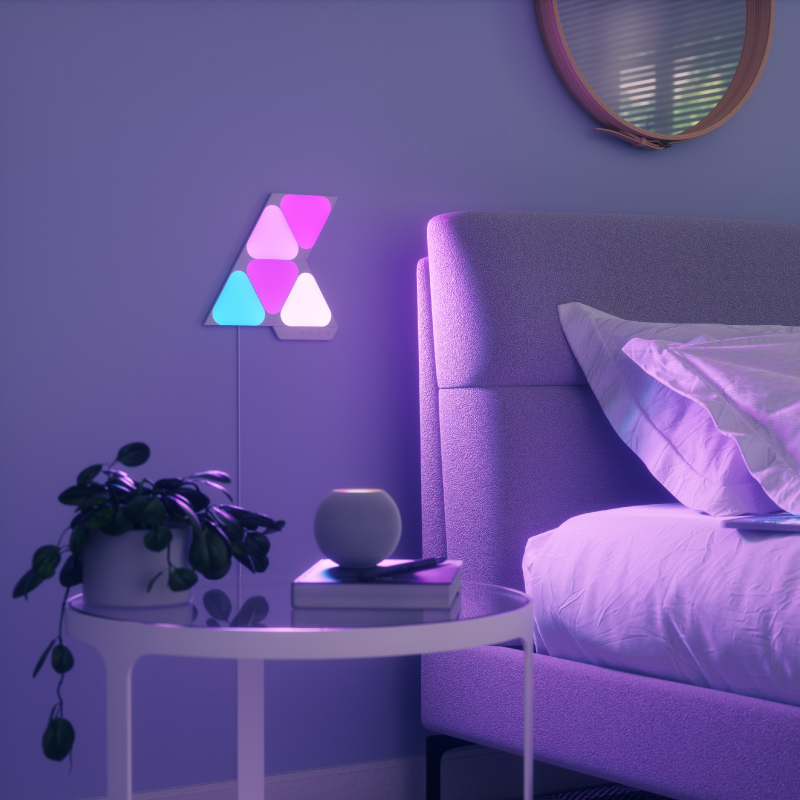
3D panel walls have emerged as a frontrunner in enhancing modern interior aesthetics. These panels are not only visually appealing but also provide a unique way to manage acoustics and add textural depth to spaces. Mastering wall control through 3D panel walls requires a good understanding of their application, design, and installation techniques. This article provides insights and tips for effectively using 3D panel walls to transform any space.
Understanding 3D Panel Walls
3D panel walls are designed to add an extra dimension to flat surfaces, creating an illusion of depth. They can be made from various materials such as wood, plastic, or metal and are available in a multitude of designs. Understanding their characteristics can help in making informed decisions about their use in different environments.
- Materials: Choose the right material based on the space’s requirements. For instance, wood panels may be ideal for a warm, inviting atmosphere, while metal panels can provide a sleek, modern look.
- Design: Consider the pattern and texture that best suits the aesthetic of the space. From geometric shapes to organic patterns, the options are vast.
- Acoustic Properties: Some 3D panels are designed to absorb sound, making them an excellent choice for reducing noise in spaces such as offices or studios.
Find additional information here about the various types of materials and designs available for 3D panel walls.
Installation Tips
Preparation
Proper preparation is key to ensuring a smooth installation process. Below are some crucial steps to consider:
- Wall Condition: Ensure the wall surface is clean, dry, and free from any debris or imperfections that could affect adhesion.
- Measurement: Accurately measure the area to determine the number of panels required. Consider any additional panels for cuts or mistakes.
Read more about this topic in a detailed guide that covers wall preparation techniques.
Installation Process
Once preparation is complete, the installation of 3D panel walls can begin. Here are some tips:
- Adhesive Selection: Use a strong adhesive that is suitable for the panel material and the wall surface.
- Alignment: Start from a corner and work your way out, ensuring panels are aligned correctly to maintain a uniform pattern.
- Cutting: Use appropriate tools to cut panels to fit around obstacles like outlets or switches.
Explore further insights here for detailed instructions on installation techniques.
Maintenance and Care
Maintaining 3D panel walls ensures they remain in pristine condition and continue to enhance the space aesthetically.
- Cleaning: Regularly dust panels with a soft cloth. For deeper cleaning, use a damp cloth and mild detergent, avoiding harsh chemicals that could damage the material.
- Inspections: Periodically inspect panels for any damage or loosening and address issues promptly to prevent further deterioration.
Learn more about maintenance strategies by exploring further insights here on keeping your 3D panel walls in optimal condition.
Conclusion
Mastering the use of 3D panel walls involves understanding their design possibilities, installation methods, and maintenance requirements. By carefully selecting materials and patterns, and adhering to proper installation practices, one can effectively transform any space into a visually striking and acoustically balanced environment. Whether for residential or commercial applications, 3D panels offer a modern solution for dynamic wall design. For more comprehensive insights, explore further information here.
