
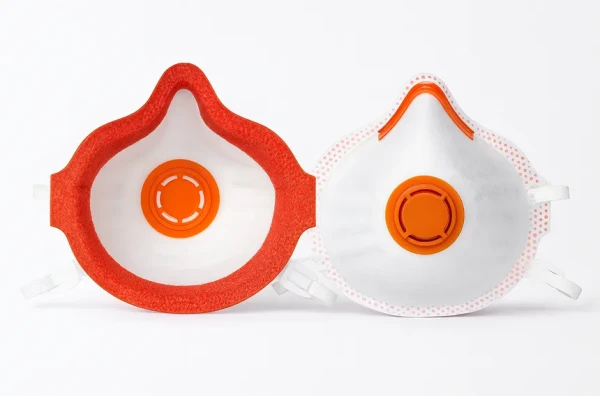
The medical industry demands precision and efficiency, especially when it comes to the conversion of materials used in healthcare products. Streamlining these processes is crucial for ensuring that medical devices and consumables meet the highest standards of quality and safety. With the rapid advancements in technology and increasing regulatory requirements, optimizing medical material converting processes has become a focal point for manufacturers aiming to deliver superior products. This article delves into the intricacies of medical material converting, highlighting strategies and considerations for enhancing these processes.
Understanding Medical Material Converting
Medical material converting refers to the process of transforming raw materials into finished medical products. This involves a series of operations such as cutting, laminating, slitting, and assembling, which are tailored to create products that meet specific functional and regulatory requirements.
- Precision Cutting: Ensures that materials are cut to exact specifications, minimizing waste and ensuring product consistency.
- Laminating: Involves the application of protective layers to enhance durability and functionality.
- Slitting: Converts wide rolls of material into narrower coils, tailored to specific production needs.
- Assembly: Combines different components to form the final product, necessitating accurate alignment and bonding techniques.
For a detailed exploration of these processes, learn about our tailored solutions and how they can enhance efficiency.
Key Strategies for Streamlining Processes
Investing in Advanced Technology
The use of cutting-edge technology is pivotal in streamlining medical material converting processes. Automated machinery, equipped with state-of-the-art software, can significantly reduce production time while enhancing accuracy. For instance, laser cutting technology offers unmatched precision, making it ideal for intricate designs and minimizing material waste.
Moreover, the integration of real-time monitoring systems enables continuous tracking of production metrics, allowing for immediate adjustments to be made. This not only ensures product quality but also optimizes resource utilization. Explore advanced guides and tips to leverage technology effectively in manufacturing.
Implementing Lean Manufacturing Principles
Lean manufacturing focuses on minimizing waste without compromising quality. By adopting a lean approach, manufacturers can streamline workflows, reduce lead times, and improve overall process efficiency. Key principles include:
- Value Stream Mapping: Identifies areas of waste and inefficiencies in the production process.
- Continuous Improvement: Encourages regular evaluation and enhancement of processes to meet evolving demands.
- Just-In-Time Production: Ensures materials and components are available precisely when needed, reducing inventory costs.
To delve deeper into these principles, discover expert strategies here.
Quality Assurance and Compliance
Ensuring compliance with industry standards and regulations is a non-negotiable aspect of medical material converting. Rigorous quality assurance protocols must be in place to verify that every product adheres to stringent safety and efficacy criteria. This involves:
- Regular Audits: Conduct thorough inspections to ensure all processes meet regulatory requirements.
- Documentation: Maintain comprehensive records of production processes and quality checks.
- Training: Equip staff with up-to-date knowledge on compliance and quality standards.
Staying informed about the latest regulatory changes is crucial. Find out more about this approach to ensure compliance.
Conclusion
Streamlining medical material converting processes is essential for producing high-quality medical products efficiently and cost-effectively. By leveraging advanced technology, implementing lean manufacturing principles, and ensuring rigorous quality assurance, manufacturers can meet the growing demands of the healthcare industry. As the landscape continues to evolve, staying ahead of trends and continuously optimizing processes will be key to sustaining competitive advantage. For further insights and comprehensive solutions, explore advanced guides and tips tailored for the medical manufacturing sector.
