
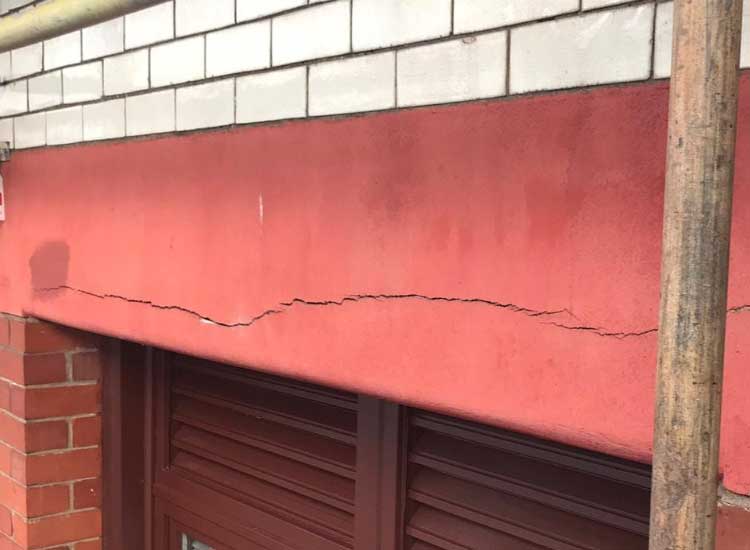
For homeowners facing structural challenges, understanding the intricacies of lintel replacement is crucial. Lintels, the horizontal supports above windows and doors, play a vital role in maintaining the structural integrity of a building. Over time, these supports can deteriorate due to various factors, including environmental exposure and material fatigue. This guide aims to provide homeowners with a comprehensive understanding of lintel replacement, ensuring informed decisions are made in maintaining the safety and aesthetics of their homes.
Understanding the Importance of Lintels
Lintels are essential components in construction, designed to support the weight above openings such as doors and windows. They distribute the load to the surrounding masonry, preventing structural failure and cracks. The following points highlight their importance:
- Structural Support: Lintels bear the load of the wall above, ensuring even weight distribution.
- Aesthetic Value: Properly maintained lintels enhance the architectural beauty of a home.
- Preventative Measure: Effective lintels minimize the risk of cracks and structural damage.
Signs That Your Lintel Needs Replacement
Identifying the signs of lintel failure early can prevent significant structural issues. Homeowners should look for:
- Visible Cracks: Cracks above windows or doors can indicate lintel failure.
- Sagging: A noticeable sag in the lintel is a clear sign of deterioration.
- Rust Stains: Rust marks on steel lintels often suggest corrosion and weakening.
Learn about our tailored solutions to address these common issues effectively.
Steps to Replacing a Lintel
Replacing a lintel involves several critical steps that should ideally be handled by professionals. However, understanding the process can help homeowners communicate effectively with their contractors:
1. Inspection and Assessment
A thorough inspection determines the extent of the damage and the appropriate replacement strategy. This step is crucial for ensuring the correct type of lintel is selected.
2. Preparation
The area around the lintel must be prepared, including supporting the structure above to prevent collapse during replacement.
3. Removal and Installation
The damaged lintel is carefully removed and replaced with a new one, ensuring it is properly secured and aligned.
4. Finishing
After installation, the area is finished with appropriate materials to match the surrounding structure. Discover expert strategies here for a seamless finish.
Choosing the Right Lintel Material
The choice of material is pivotal in the longevity and effectiveness of a lintel. Common materials include:
- Steel: Known for its strength and durability, ideal for heavy loads.
- Concrete: Offers good fire resistance and is suitable for various applications.
- Timber: Used in older buildings, but requires careful maintenance.
Explore advanced guides and tips on selecting the right material for your specific needs.
Conclusion
Proper lintel replacement is essential for maintaining the structural integrity and aesthetic appeal of a home. By understanding the importance of lintels, recognizing signs of damage, and knowing the replacement process, homeowners can make informed decisions that protect their investment. For professional advice and tailored solutions, find out more about this approach to ensure the longevity and safety of your home.
