
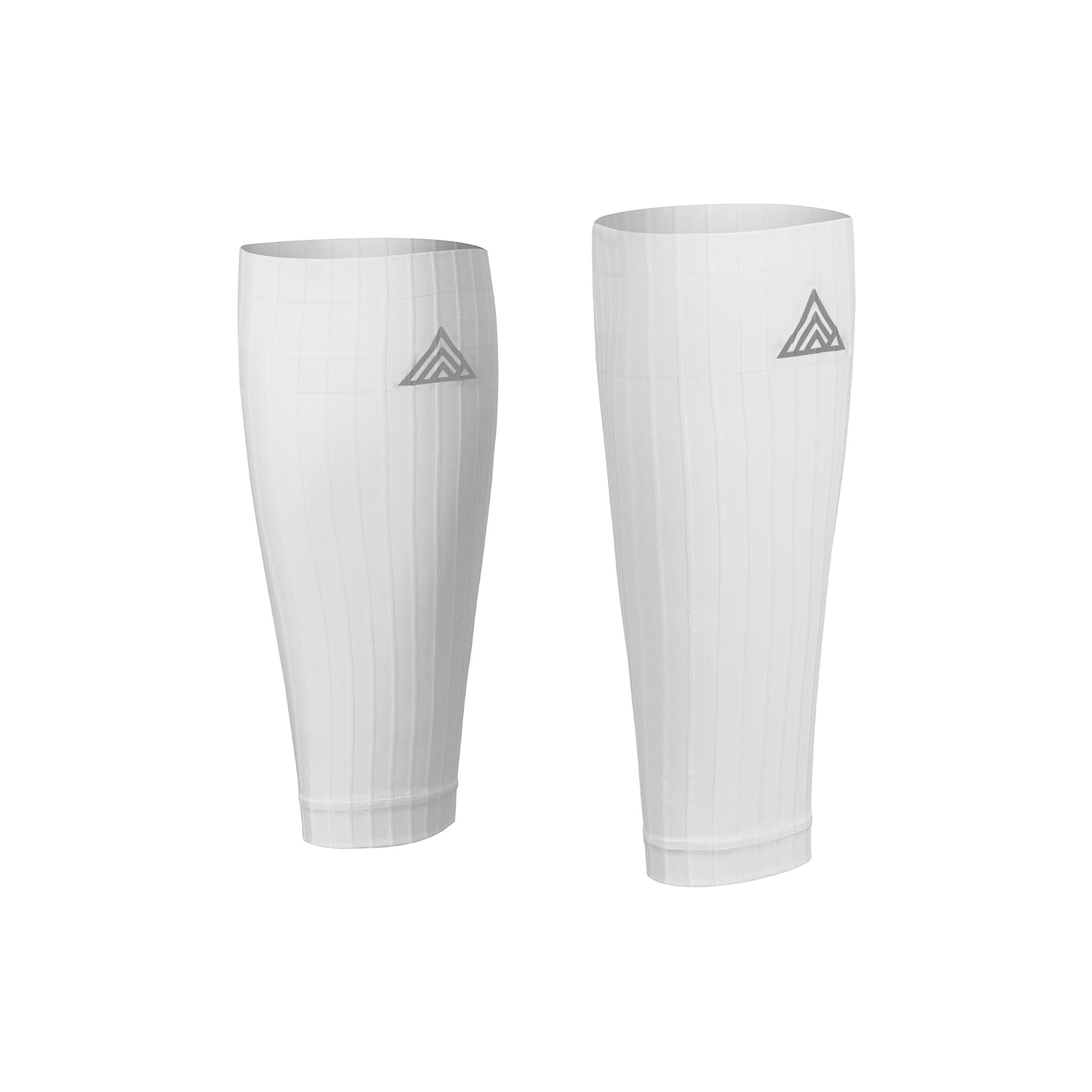
When cyclists think about performance, the conversation often turns to frame geometry, power meters, and tire pressure, yet one of the most overlooked components is the overshoe. An overshoe can protect the foot from the elements, improve pedaling efficiency, and even influence aerodynamics. Two dominant designs have emerged in recent years: the sleek, form-fitting aero overshoe and the more traditional, padded cycling overshoe. Understanding the functional differences, material technologies, and real-world applications of each can help riders make an informed decision that aligns with their goals, whether that’s shaving seconds off a time trial or simply staying comfortable on a rainy commute.
Defining the Two Categories
Aero Overshoes
Aero overshoes are engineered primarily for speed. They feature a tight, low-profile fit that minimizes drag by smoothing airflow over the shoe and lower leg. Most models use lightweight, stretch-woven fabrics such as high-tenacity nylon or Lycra blends, often reinforced with silicone strips to keep the shoe in place without the need for straps.
Traditional Cycling Overshoes
Traditional overshoes prioritize protection and comfort. They are typically bulkier, incorporating thicker neoprene or insulated layers to shield the foot from rain, wind, and cold. Adjustable closures, Velcro straps, buckles, or elastic cuffs, ensure a secure fit, but they can add a bit of wind resistance compared to their aero counterparts.
Performance Considerations
- Aerodynamic Advantage: Aero overshoes can reduce drag by up to 5″?% in controlled wind-tunnel tests, translating to measurable time savings on flat, fast courses.
- Weather Protection: Traditional overshoes excel in wet or chilly conditions, offering superior water resistance and thermal insulation.
- Fit and Compatibility: Aero designs work best with narrow, race-oriented shoes, while traditional models accommodate a broader range of shoe shapes, including mountain and touring footwear.
- Durability: Heavier neoprene in traditional overshoes tends to last longer under abrasive conditions, whereas ultra-light aero fabrics may be more prone to tearing if mishandled.
Material Technology and Construction
Both categories leverage advances in textile engineering, but the emphasis differs.
- Stretch Fabrics: Aero overshoes rely on four-way stretch panels that hug the shoe without excess bulk, often featuring micro-silicone dots for grip.
- Neoprene Layers: Traditional overshoes incorporate closed-cell neoprene, which traps a thin layer of air for insulation and repels water.
- Seam Placement: Aero models place seams strategically to avoid disrupting airflow, while traditional designs may use overlapping seams to enhance water shedding.
- Reinforcements: Reinforced toe and heel sections in both types protect against abrasion, but aero versions keep these reinforcements thin to maintain a sleek profile.
Use-Case Scenarios
Time Trials and Road Racing
For riders chasing marginal gains, the aerodynamic edge of an aero overshoe is compelling. The reduced drag complements other speed-focused gear such as aero helmets and skinsuits. When conditions are dry and temperatures moderate, the lightweight nature of the aero design can even improve pedal stroke efficiency by allowing freer ankle movement.
Endurance Events and Variable Weather
Long-distance cyclists often face changing weather patterns. Traditional overshoes provide the versatility needed to stay dry and warm during sudden rain showers or early-morning chills. Their adjustable closures also make it easier to slip them on and off during pit stops without sacrificing a tight seal.
Urban Commuting
City riders benefit from a hybrid approach. A slim, water-resistant traditional overshoe can protect against puddles while still offering a relatively low profile. In regions where wind is a constant factor, choosing a model with streamlined panels can mitigate drag without sacrificing protection.
Choosing the Right Overshoe for Your Needs
When deciding between aero and traditional overshoes, consider the following decision matrix:
- Primary Goal: Speed vs. comfort/protection.
- Typical Weather: Dry, warm conditions favor aero; rain or cold favor traditional.
- Shoe Compatibility: Narrow, race-oriented shoes pair best with aero; broader or rugged shoes work well with traditional.
- Budget: Aero overshoes often command a premium due to high-tech fabrics, while traditional models provide solid performance at a wider price range.
For cyclists seeking a deeper dive into material science and performance data, Discover expert strategies here offers a curated selection of resources that break down the aerodynamic impact of each design.
Maintenance and Longevity
Proper care can extend the life of both overshoe types.
- Cleaning: Rinse aero overshoes with mild soap and cold water; avoid harsh detergents that can degrade stretch fibers.
- Drying: Air-dry in a shaded area; direct sunlight can weaken neoprene in traditional models.
- Storage: Store flat or hanging to prevent creasing, especially for silicone-reinforced sections.
- Inspection: Regularly check seams and grip dots for wear; replace before performance is compromised.
Additional guidance on upkeep can be found at Learn about our tailored solutions, where step-by-step tutorials address common issues.
Future Trends in Overshoe Design
The line between aero and traditional continues to blur as manufacturers integrate hybrid technologies. Expect to see:
- Integrated heating elements for cold-weather racing.
- Smart fabrics that adjust tension based on temperature.
- Modular panels that allow riders to swap between aero and insulated configurations on the same base overshoe.
Staying ahead of these developments can give competitive cyclists a strategic edge. For the latest insights, Explore advanced guides and tips regularly updated by industry experts.
Conclusion: Which Wins?
The answer depends on the rider’s objectives. Aero overshoes deliver measurable speed benefits in controlled, dry environments, making them the clear choice for time-trialists and racers focused on marginal gains. Traditional cycling overshoes, however, provide the all-weather protection and comfort essential for endurance events, commuting, and variable climates. By evaluating personal goals, typical riding conditions, and shoe compatibility, cyclists can select the overshoe that aligns with their performance strategy. For a comprehensive comparison and curated product options, Find out more about this approach and explore the range that best matches individual needs.
