
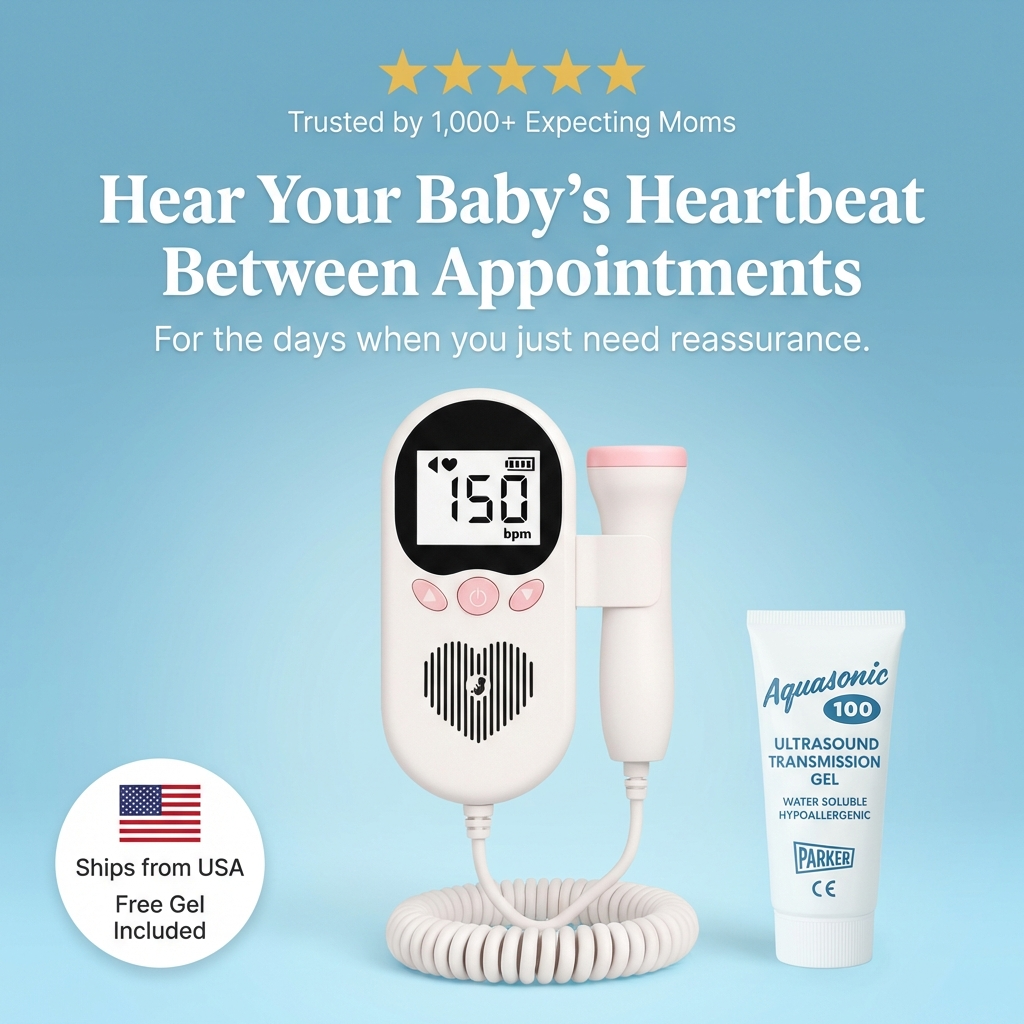
Monitoring the health and development of a baby during pregnancy is a primary concern for expectant parents. With advancements in technology, home monitoring devices like fetal dopplers have become increasingly popular. These devices provide peace of mind by allowing parents to listen to their baby’s heartbeat from the comfort of their home. However, understanding how to use a doppler effectively and recognizing its role in prenatal care is essential. This article delves into the benefits, usage, and considerations of using a doppler to monitor pregnancy at home.
Understanding the Doppler Device
The fetal doppler is a handheld ultrasound device that uses sound waves to detect the fetal heartbeat. By sending these waves through the mother’s abdomen, the device translates the returning echoes into audible sounds, allowing parents to hear their baby”?s heartbeat. This non-invasive tool provides a way for expectant parents to connect with their unborn child and monitor its health between regular prenatal check-ups.
Benefits of Using a Doppler At Home
Using a doppler at home offers several benefits:
- Accessibility: Listening to the baby’s heartbeat at home can be reassuring, especially for parents with busy schedules or those who live far from medical facilities.
- Emotional Connection: Hearing the heartbeat can strengthen the emotional bond between parents and their unborn child, providing a sense of closeness.
- Monitoring: Regular monitoring can help detect irregularities early, prompting timely medical consultations.
For more information on how to effectively utilize a doppler, explore advanced guides and tips available from trusted resources.
How to Use a Doppler Safely
While dopplers are user-friendly, understanding their correct usage is crucial for accurate readings and safety:
- Read Instructions: Before first use, carefully read the device’s manual to understand its functions and limitations.
- Find a Quiet Environment: Background noise can interfere with the doppler’s ability to detect the heartbeat accurately.
- Use Gel: Apply a generous amount of ultrasound gel to the probe to enhance sound transmission.
- Positioning: Start low on the abdomen, as the baby”?s position can vary. Move the probe gently and slowly.
For a detailed understanding of doppler use, discover expert strategies here.
Considerations and Limitations
While dopplers are beneficial, there are important considerations:
- Not a Diagnostic Tool: Dopplers should not replace professional medical advice or routine prenatal care.
- Potential for Anxiety: Difficulty in locating the heartbeat can cause unnecessary stress. It”?s important to remain calm and consult a healthcare professional if concerns arise.
- Usage Limitations: Most experts recommend limiting the use of dopplers to ensure there is no undue exposure to ultrasound waves.
To learn about our tailored solutions for managing pregnancy concerns, find out more about this approach.
Conclusion
The use of a doppler can be a valuable tool for monitoring pregnancy from home, offering reassurance and strengthening the parent-child bond. However, it is important to use the device with proper knowledge and in conjunction with regular medical care. While the technology is accessible and beneficial, it should complement, not replace, professional prenatal monitoring. For further guidance on how to integrate home monitoring into prenatal care, learn about our tailored solutions.
